 Call Us : Call Us :

 Send Inquiry
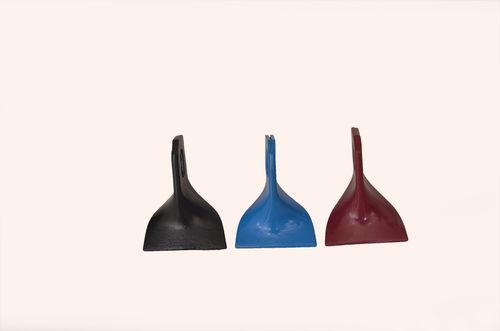
Rotavator Blades
Price 90 INR/ Piece
MOQ : 500 Pieces
Rotavator Blades Specification
- Shape
- L, C, or J curved blade shapes
- Features
- Sharp cutting edge, wear resistance, rust protection, high strength
- Usage & Applications
- Tillage, soil mixing, seedbed preparation, weed removal
- Tool Type
- Tractor implement attachment
- Product Type
- Rotavator Blades L Type
- General Use
- Industrial
- Material
- Stainless Steel
- Color
- Blue
- Warranty
- 6 months to 1 year
Rotavator Blades Trade Information
- Minimum Order Quantity
- 500 Pieces
- Supply Ability
- 500 Pieces Per Day
- Delivery Time
- 1 Days
About Rotavator Blades
Our Rotavator Blades are engineered for maximum durability and performance in agricultural soil preparation. Made from high-carbon or boron steel, these blades provide excellent wear resistance and long service life even in tough soil conditions. Available in L-type, C-type, and J-type designs, they fit a wide range of tractor-powered rotavators, ensuring deep tillage, efficient soil mixing, and effective weed control. Designed to work with tractors from 20 HP to 75 HP, these blades deliver high productivity with minimal passes, saving fuel and time. Perfect for seedbed preparation, stubble incorporation, and maintaining soil health, they are the ideal choice for farmers looking for reliable and cost-effective tillage tools.
Technical Specification of Rotavator Blades:
Design | R 807 |
Description | Rotavator blades L type |
| Available Hole sizes | 14mm x 46mm, 12mm x 44mm14mm x 57mm, 12mm x 57mm |
Flat size | 80mm x 7mm |
Overall length | 215mm |
Available colours | Black, Royal Blue, Sea Green |
Packing per | 18 pcs. 9 Left & 9 Right |
Price rang | Rs.62 - 78 per pc. |
MOQ | 500 PCS |
FAQs of Rotavator Blades:
Q1. What materials are rotavator blades made from?
Most rotavator blades are made from high-carbon steel or boron steel for superior strength, sharpness, and wear resistance.
Q2. How do I choose the right type of rotavator blade?
Blade type depends on soil condition and use L-type for deep tillage, C-type for general cultivation, and J-type for hard, rocky soil.
Q3. How often should I replace rotavator blades?
Replacement depends on usage and soil type; generally after 200300 hours of work or when the blade loses its cutting efficiency.
Q4. Are these blades compatible with all rotavator brands?
Yes, they are available in multiple sizes and hole patterns to fit most popular rotavator brands.
Q5. Do rotavator blades require maintenance?
Yes, regular cleaning after use, checking for wear, and proper storage in a dry place can extend their lifespan significantly.
Precision Stainless Steel Blades
Engineered for durability and efficiency, our rotavator blades are crafted from high-grade stainless steel, providing exceptional resistance to wear and corrosion. The sharp cutting edge ensures effective soil penetration, making them ideal for demanding agricultural and industrial tillage operations.
Versatile Blade Shapes for Optimal Results
Choose from L, C, or J curved blade shapes to suit specific soil types and field conditions. Each shape is designed to maximize soil mixing, weed removal, and seedbed preparation, offering flexibility and enhanced performance for a variety of agricultural tasks.
FAQs of Rotavator Blades:
Q: How do rotavator blades improve agricultural efficiency?
A: Rotavator blades enhance agricultural efficiency by quickly breaking up soil for tillage, mixing soil layers, removing weeds, and preparing robust seedbeds. Their sharp, rust-resistant edges optimize ground penetration and minimize downtime during field operations.Q: What material is used for these rotavator blades, and why is it important?
A: These blades are made from stainless steel, providing superior strength, wear resistance, and rust protection. This ensures longevity and reliable performance in challenging soil and weather conditions, making them ideal for intensive industrial use.Q: When should rotavator blades be replaced?
A: Rotavator blades should be replaced when they show signs of excessive wear, dullness, or reduced soil cutting performance. The warranty of 6 months to 1 year covers manufacturer defects, but regular inspection helps maintain optimal results.Q: Where can these rotavator blades be used?
A: These blades are suitable for use in industrial farming, large-scale agricultural projects, and commercial operations. They are supplied by leading exporters and manufacturers throughout India, making them accessible for diverse field applications.Q: What is the process for installing these blades on a tractor?
A: To install, securely attach the rotavator blade to the tractors implement attachment according to the manufacturers instructions. Ensure blade orientation matches the recommended L, C, or J shape for your specific soil condition before operating.Q: What are the main benefits of using stainless steel rotavator blades?
A: The main benefits include enhanced wear resistance, reliable rust protection, sustained sharpness for effective tillage, and high strengthleading to improved soil mixing, efficient weed removal, and extended operational life.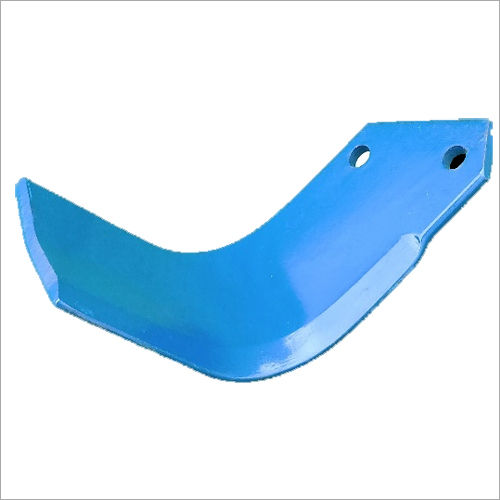
Tell us about your requirement

Price:
Quantity
Select Unit
- 50
- 100
- 200
- 250
- 500
- 1000+
Additional detail
Mobile number
Email

More Products in Agricultural Machine Blade Category
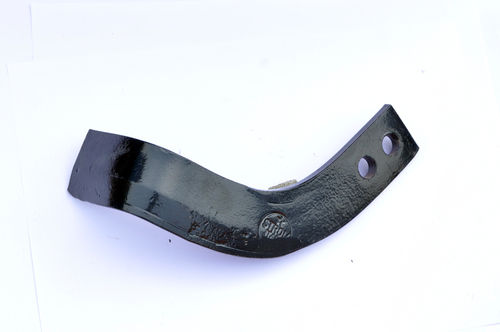
Rotary Tiller Blades Agriculture
Price 78 INR / Piece
Minimum Order Quantity : 500 Pieces
Material : Stainless Steel
General Use : Industrial
Color : Silver
Product Type : Tiller Blade 981
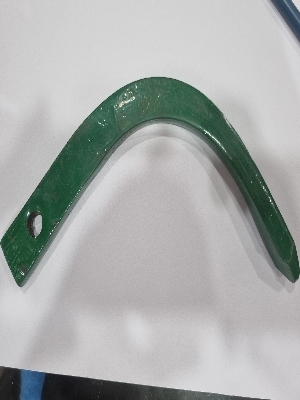
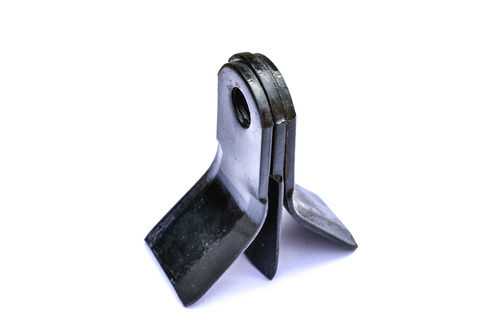
Snoop Knives
Price 32 INR / Piece
Minimum Order Quantity : 500 Pieces
Material : Stainless Steel
General Use : Industrial
Color : Silver
Product Type : Snoop Knives

"We are accepting minimum order quantity 500 Pieces."
Address
V.A.M. INDUSTRIES
GST : 03AAVFV3876G1ZM
GST : 03AAVFV3876G1ZM
- Ludhiana Road, Near Gounspura,Malerkotla - 148023, Punjab, India
- Phone :08045815791
-
 Send Inquiry
 Send Inquiry
 Send Inquiry
 Send SMS
 |
V. A. M. Industries
All Rights Reserved.(Terms of Use) Developed and Managed by Infocom Network Private Limited. |
